What Is a Shaken Espresso?
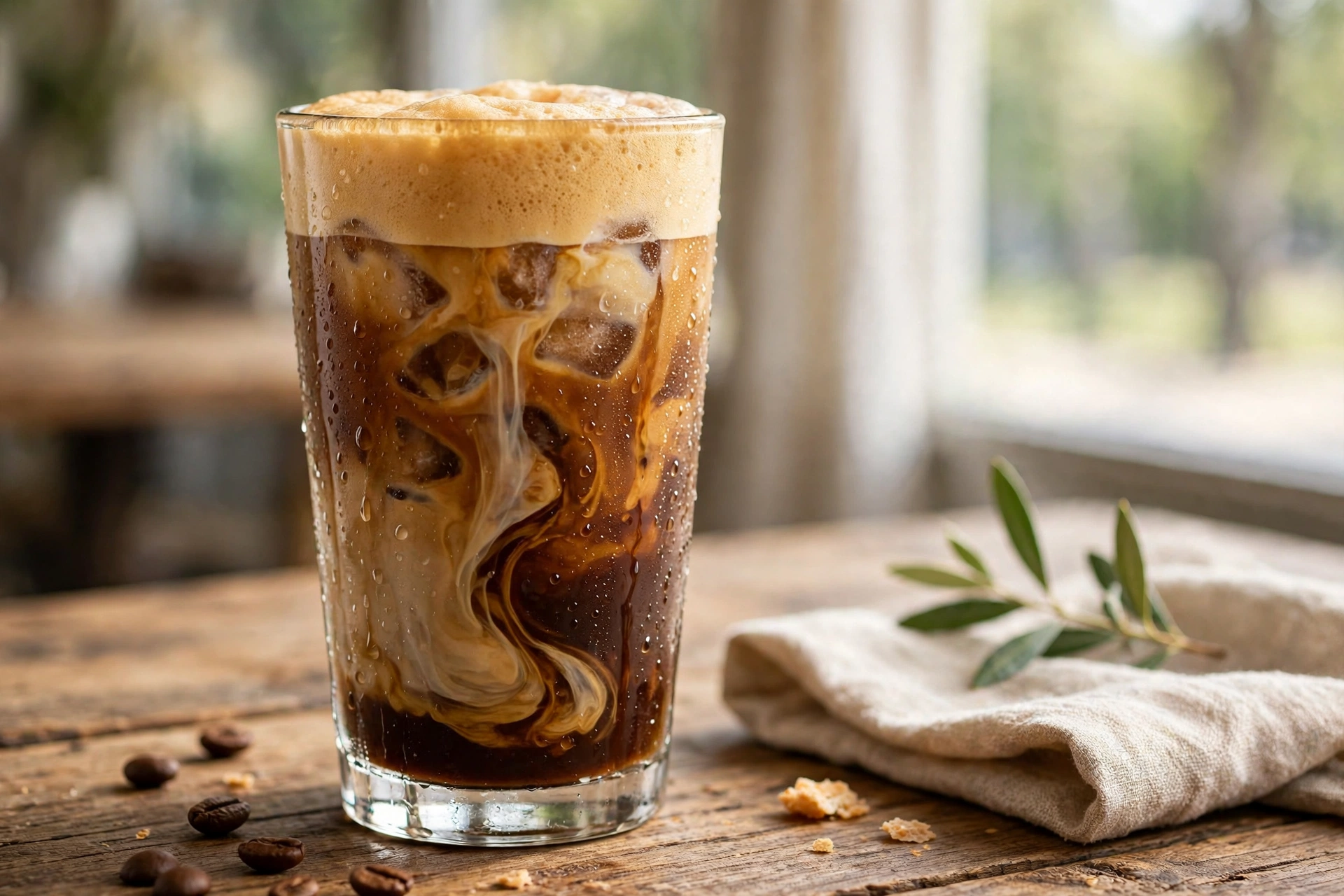
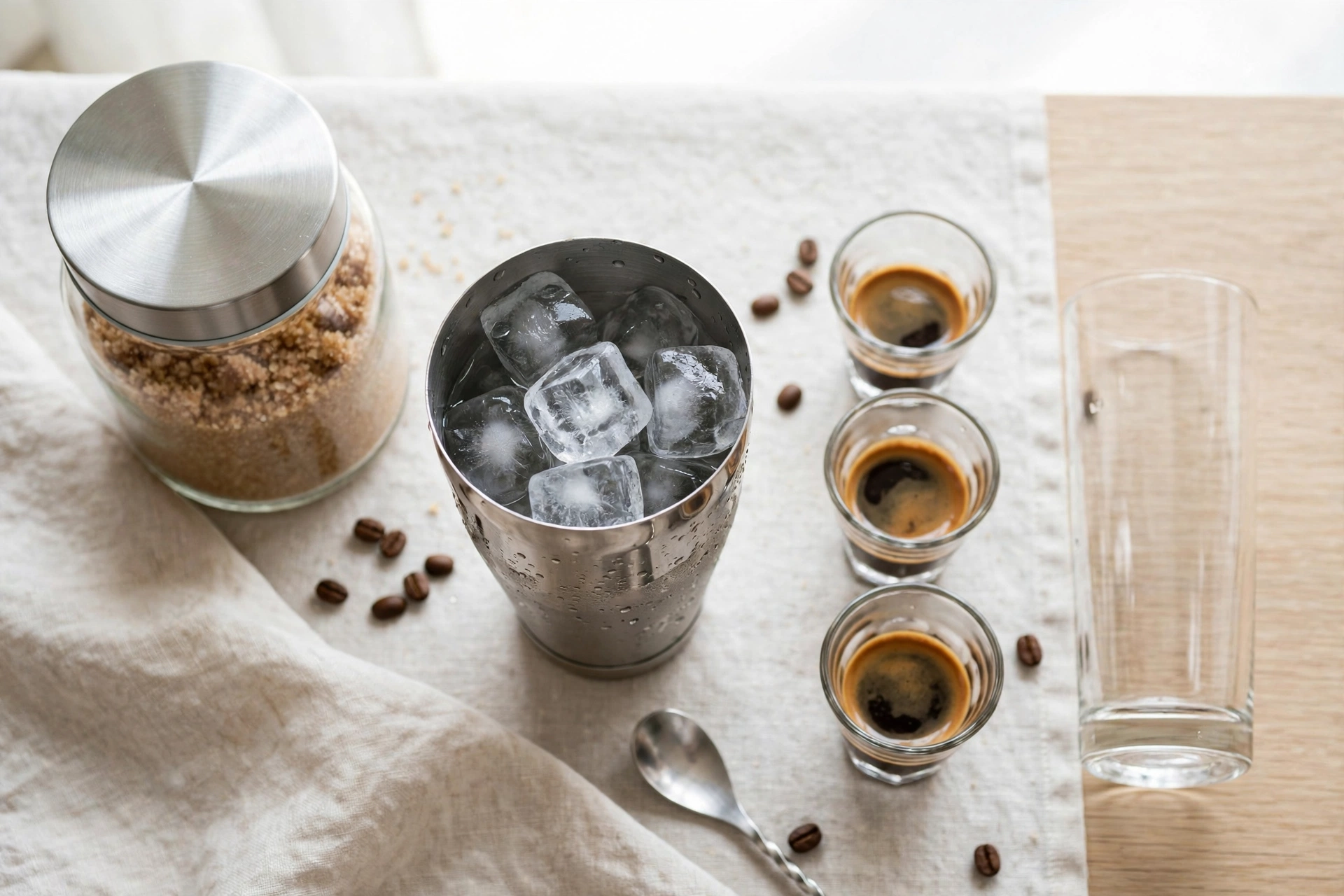
What is shaken espresso? It's an iced coffee drink made by shaking fresh espresso shots with ice and a little sweetener in a cocktail shaker, then straining it over fresh ice and finishing with a splash of cold milk. The shaking chills the espresso instantly and whips up a light golden foam, mellowing its bitterness into something smooth and refreshing.
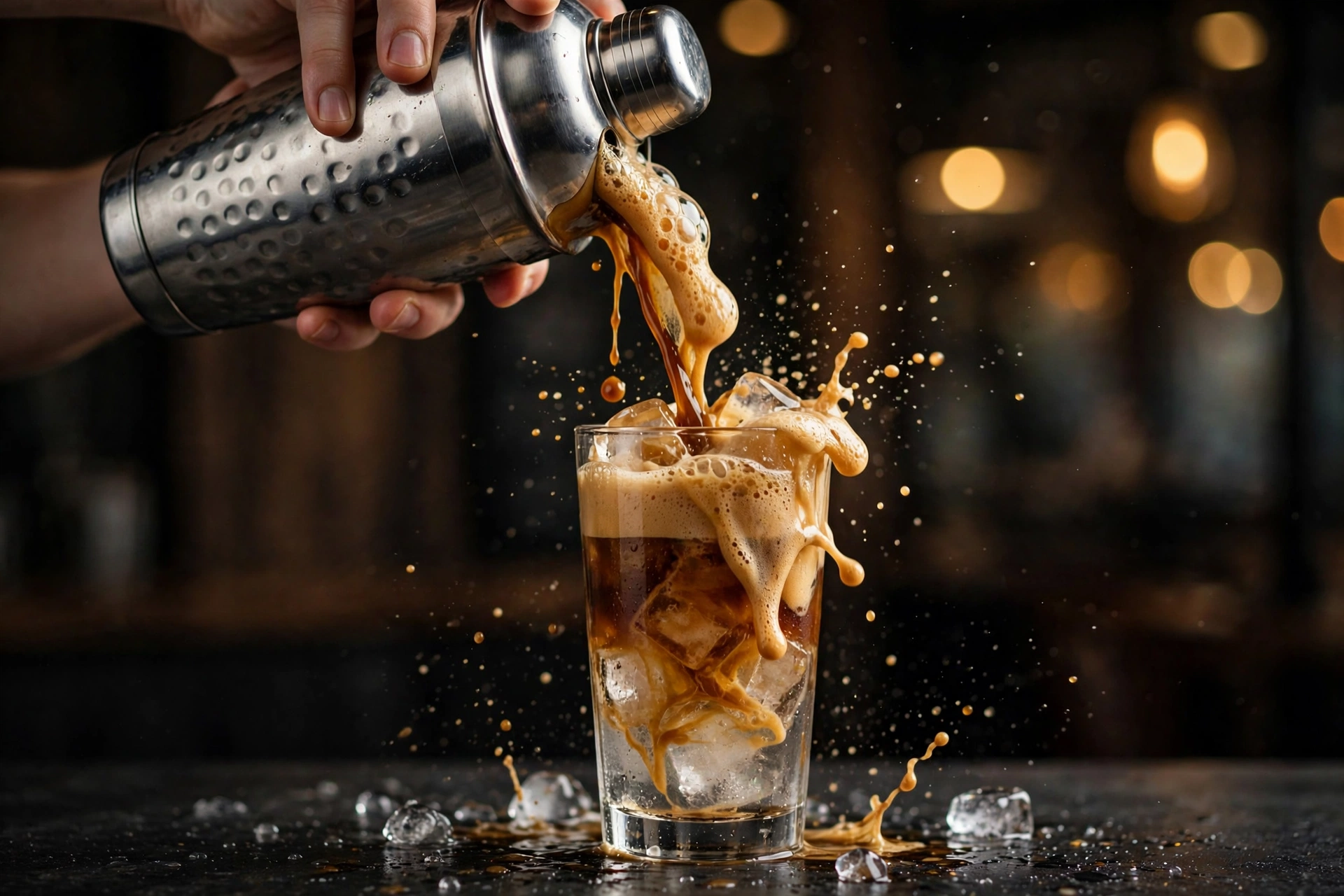
There's a particular magic to watching a barista shake espresso like a cocktail. The tin rattles, frosts over, and what comes out looks nothing like espresso just poured over ice — frothier, silkier, somehow both bolder and smoother. If iced lattes bore you, this is the fix.
What is shaken espresso's story? From shakerato to Starbucks
The shaken espresso has old roots. In Italy, the caffè shakerato has been a summer staple for decades: espresso, ice, and sugar shaken hard and strained into a chilled martini glass — no milk, gone in three sips. It's what Italian bartenders make when the afternoon heat makes hot espresso unthinkable.
The modern American version added milk and supersized it, and Starbucks dragged it mainstream: the 2021 Iced Brown Sugar Oatmilk Shaken Espresso became one of the chain's most successful launches, spawning endless copycats. The formula stuck: espresso, ice, and sweetener shaken together, poured over fresh ice, finished with milk.
What the shaking actually does
Shaking isn't theater — it changes the drink in three real ways:
It chills fast. Hot espresso hitting a shaker full of ice drops to ice-cold in about fifteen seconds. That speed matters: slow cooling lets the espresso sit hot and develop harsh, bitter notes. Flash-chilling locks in the aromatics.
It aerates. All that violent agitation whips air into the espresso, creating the signature golden-brown foam that floats on top. That foam isn't just pretty — it changes the mouthfeel, making each sip feel silkier and rounder than flat iced espresso.
It mellows bitterness. The aeration and the slight dilution from the melting ice soften the espresso's harsh edges. Shaken espresso tastes smoother and a touch sweeter than the same shots poured over ice, even before any syrup enters the picture. It's the same principle as shaking a cocktail: texture transforms flavor.
This is also why the milk goes in after the shake, not during it. Shake the milk and you get a foamy, diluted mess; pour it over the strained espresso and you get those beautiful marbled layers that slowly swirl together.
Shaken espresso vs iced latte vs iced americano
These three live next to each other on every menu and couldn't be more different in the cup:
- Shaken espresso — 2–3 shots of espresso shaken with ice and sweetener, poured over fresh ice, splash of milk. Bold, frothy, lightly sweet, textured. The most "crafted" of the three.
- Iced latte — espresso poured over cold milk and ice. Creamy, mild, mellow. The milk dominates; the espresso is a background note.
- Iced americano — espresso diluted with cold water over ice. Clean, black-coffee intensity, no creaminess at all. The purist's iced drink.
Think of it as a spectrum: americano for the black-coffee drinker, latte for the milk lover, shaken espresso for the person who wants the coffee to actually taste like coffee but still wants it cold, smooth, and a little indulgent.
How to order one
The classic order is a shaken espresso with your choice of syrup and milk. Brown sugar and oat milk is the famous combination — the molasses notes of brown sugar love espresso, and oat milk's natural sweetness means you need less syrup. But vanilla, caramel, and classic simple syrup all work, and any milk does the job.
Ordering notes from behind the bar: you can ask for it unsweetened or half-sweet — the shake adds perceived sweetness, so most people need less syrup than they think. And know that shaken espressos typically run 2–3 shots (~200mg caffeine). It's a strong drink wearing a refreshing disguise.
The mistakes that ruin a shaken espresso
Letting it sit. That beautiful foam has a lifespan — maybe ten minutes before it deflates into the drink. A shaken espresso is not a to-go-for-later drink. Drink it fresh or don't bother.
Shaking the milk. Some home recipes tell you to shake everything together. Don't. The milk should be poured over after straining, so you get the layered look and the clean foam cap. Shaken milk turns gummy and flat.
Too much syrup. The shake already smooths the espresso out, so a full pump load of syrup on top of that can bury the coffee entirely. Start with half of what you'd put in a latte. You can always add more; you can't take it back.
Weak ice. Shaking with half-melted ice from a warm freezer gives you lukewarm, watery espresso instead of a frosty foam. Ice should be hard and fresh — the colder the better.
Quick answers
How much caffeine is in a shaken espresso? Typically 150–225mg depending on whether it's made with two or three shots — noticeably more than a standard iced latte, which usually has one or two.
Is a shaken espresso sweet? Lightly, by default — most versions include some syrup. But it's far less sweet than a flavored latte, and you can order it unsweetened. The shaking itself adds a perception of sweetness.
Can I make one without an espresso machine? Yes — strong moka pot coffee or even double-strength instant espresso works. The key isn't the brewing method, it's the shake: hot, strong coffee + ice + sweetener, shaken hard for 15 seconds.
Come watch us shake one properly at our Melrose Ave shop in West Hollywood or our Edinburgh Ave location in Hollywood — the rattle of the shaker is half the experience, and the first sip is the other half.