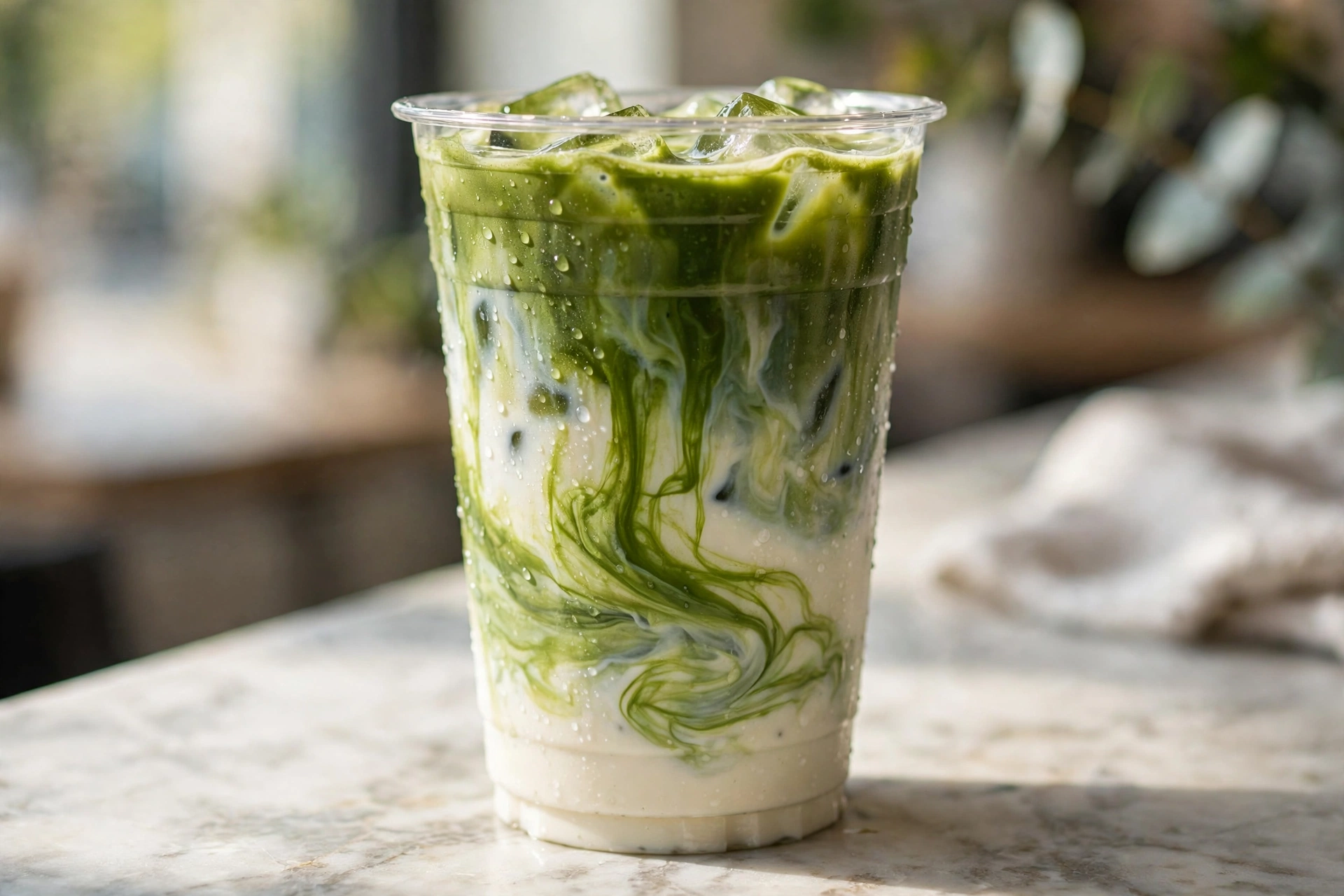
Why Everyone Is Switching from Coffee to Matcha
Something has changed on Melrose. Not that long ago, the morning line was all cold brew and oat lattes. These days, nearly half the people walking up to our counter ask for matcha — and a surprising number of them tell us they're switching from coffee to matcha after years of being die-hard coffee drinkers. It isn't a small shift, and it isn't just us. Café owners across LA are saying the same thing: matcha has moved from a niche alternative to the main event.
So what's actually going on? Is matcha really better, or is this just the beverage version of a group chat everyone joined? The honest answer is a little of both — but mostly, people are switching because matcha solves a few very specific problems coffee created for them.
It's Really About How the Energy Feels
Here's the thing nobody talks about with coffee: the energy isn't the problem, the curve is. A cup of drip coffee hits fast, peaks hard, and then drops you somewhere around 2 p.m. wondering what happened to your personality. That rollercoaster isn't in your head — caffeine from coffee absorbs quickly, and for a lot of people the comedown brings jitters, restlessness, or a second round of fatigue.
Matcha's caffeine works differently, and this is the least controversial part of the whole conversation. A standard serving of matcha has less caffeine than a cup of coffee — roughly 30 to 70 milligrams depending on how much powder you use, versus 95-plus for brewed coffee — and it's naturally paired with L-theanine, an amino acid found in green tea that promotes a state of calm focus. The combination gives you alertness without the sharp spike. People describe it as energy that arrives slowly and sticks around for hours instead of flashing and fading. Research on L-theanine suggests it supports attention and relaxation when combined with caffeine, though it's not magic — it's chemistry, and your mileage will vary.
Our regulars say it best: coffee feels like being pushed awake; matcha feels like being allowed to be awake.
The Stomach Thing Is Real
The second biggest reason people bail on coffee has nothing to do with energy. It's the gut. Coffee is acidic — brewed coffee generally lands around a pH of 5 — and for plenty of drinkers, that acidity shows up as acid reflux, stomach cramps, or that vague queasy feeling an hour after the first cup. Matcha is notably less acidic and gentler on the stomach, which is why you'll hear a lot of ex-coffee people say matcha was the first caffeinated drink that didn't punish them for drinking it.
To be clear: matcha isn't medicine, and if you have real digestive issues, a green drink won't fix what a doctor should see. But for the enormous group of people who simply feel off after coffee, the gentler option tends to stick.
Ritual Did the Rest
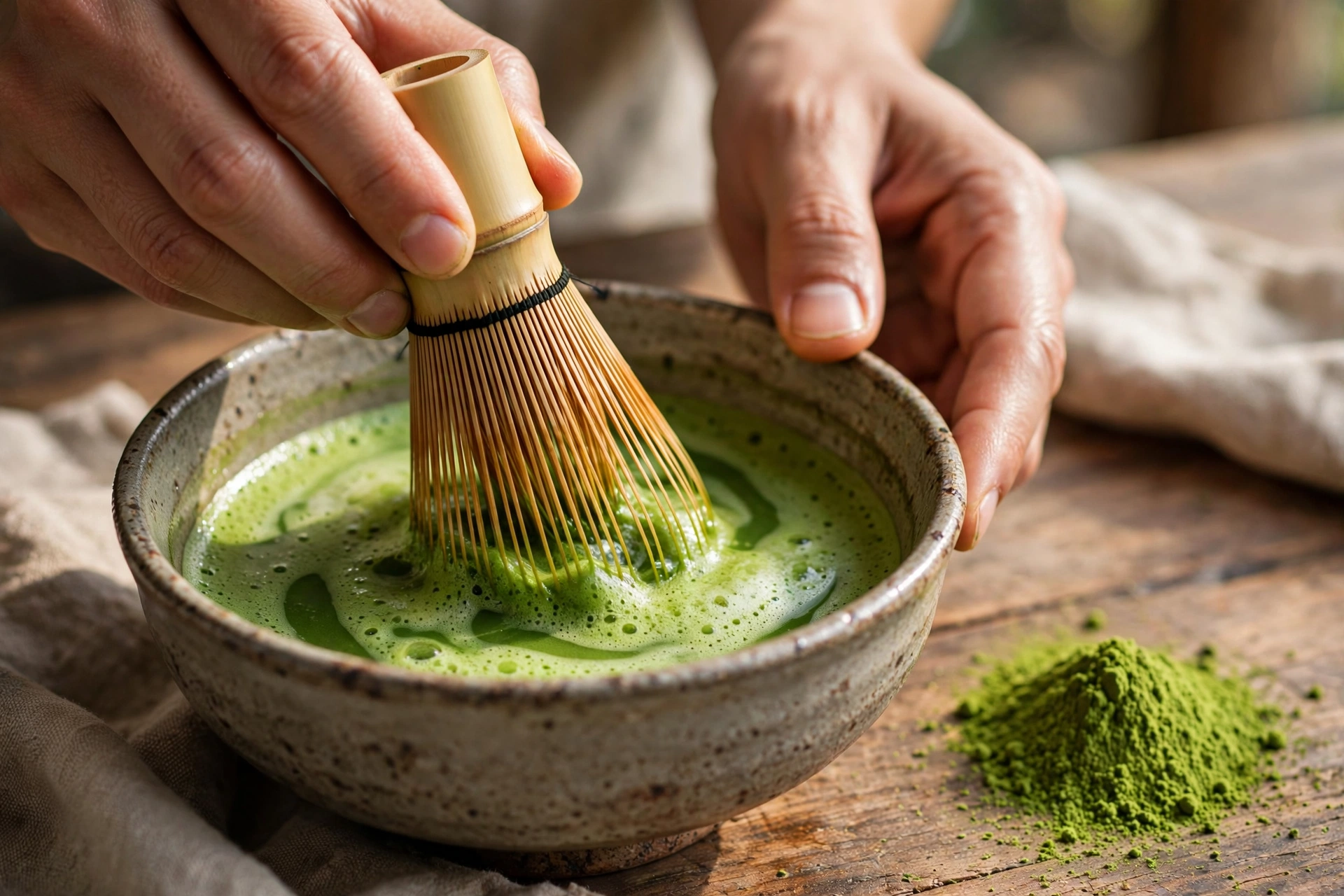
Then there's the part nobody in the health conversation wants to admit: matcha is fun to drink, and it looks incredible. The whisking, the foam, the slow pour over ice, the way the green blooms into the milk — matcha has a whole ceremony built in, and in the age of the phone camera, ceremony travels. The Matcha Einspänner line at our shop on Melrose didn't form because of antioxidants. It formed because people saw a cream-topped green drink and needed one immediately.
Switching from Coffee to Matcha Without Hating Your Mornings
If you're coffee-curious about matcha, the people who switch successfully tend to do a few things right. First, they don't go cold turkey on day one — they replace the afternoon cup first, then the weekend cups, and let the ritual do its work. Caffeine withdrawal headaches are real, and matcha has enough caffeine to soften the landing.
Second, they try good matcha first. Bad matcha tastes like lawn clippings and convinces people the whole category is a scam. Ceremonial-grade powder — vibrant green, finely milled, whisked to a proper foam — tastes grassy and sweet with a gentle umami finish.
Third, they give it a week. The people who love matcha rarely love it on sip one. They love it on day ten, when they realize the 3 p.m. slump just... didn't happen.
The Honest Verdict
We still love coffee. This isn't a breakup letter — we pull espresso shots every day and our cold foam program exists for a reason. But the switch from coffee to matcha isn't a fad either. It's a correction: a generation of drinkers figured out they wanted the alertness without the anxiety, the ritual without the crash, and the caffeine without the stomachache. Matcha happened to deliver all three at once.
Coffee will always have its place. It just doesn't get to be the only place anymore.
A couple of quick answers before you go:
Does matcha have more caffeine than coffee? No — a serving of matcha typically has less caffeine than a cup of brewed coffee, but the L-theanine makes the energy feel smoother and longer-lasting.
Will switching help with coffee jitters? For many people, yes. The lower caffeine dose plus L-theanine means less of the shaky, wired feeling — but if you're sensitive to caffeine in general, start with a small serving.
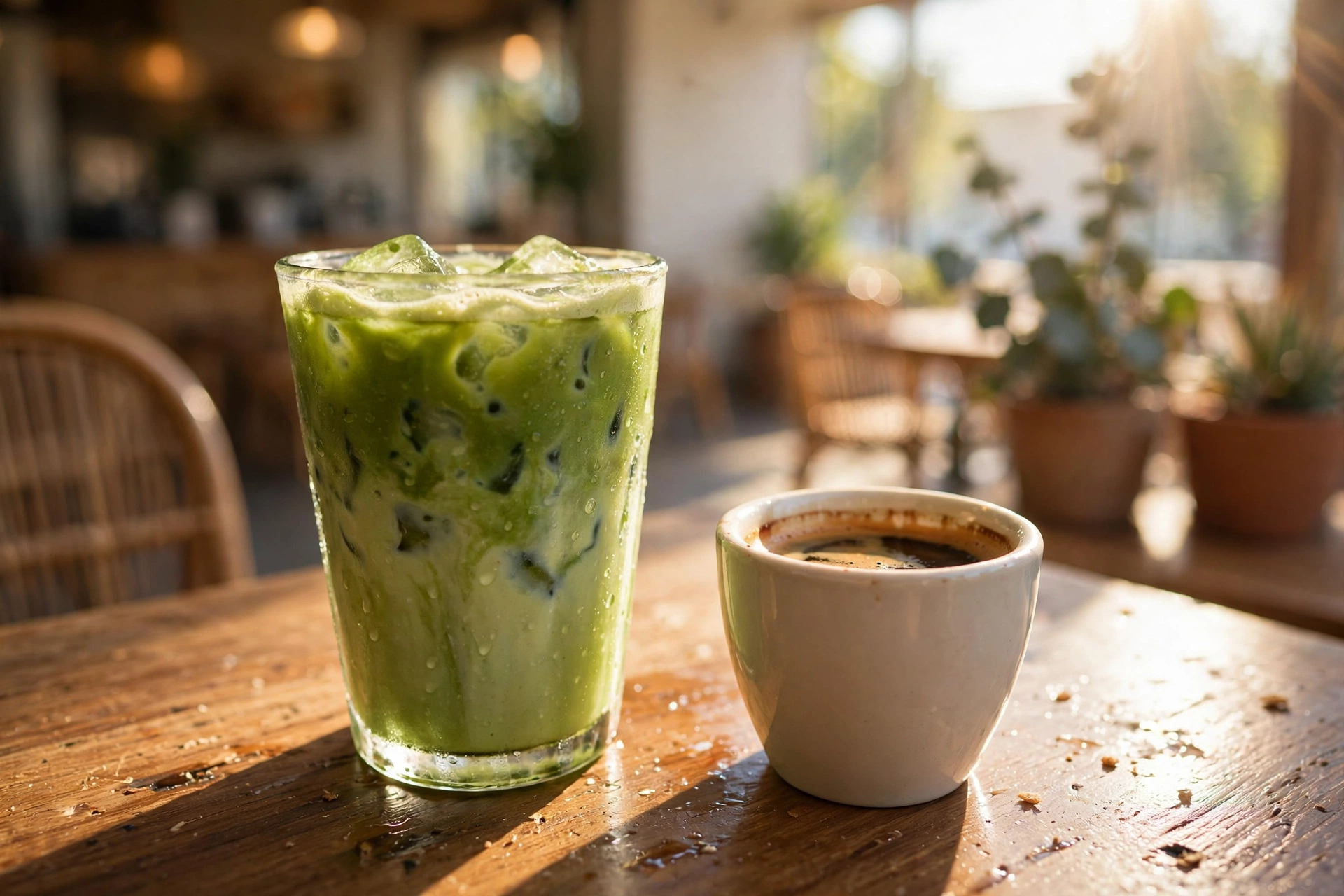
Can I get both at once? Absolutely — a dirty matcha (espresso floated over a matcha latte) is a house favorite for the indecisive.
If you're curious, come see what the fuss is about. We'll whisk you a proper ceremonial matcha at our Melrose Ave shop in West Hollywood or our Edinburgh Ave location in Hollywood — and if you're not sold, we'll make you a cold brew and call it even.