
Matcha vs Coffee: Which Is Better for Energy and Focus?
Let's skip the diplomatic "they're both great!" ending every comparison article chickens out with. In the matcha vs coffee debate, if you're choosing one daily driver for energy and focus — deep work, long study sessions, creative afternoons — matcha wins. Not because it has more caffeine (it usually has less), but because of how that caffeine feels: gentler onset, steadier plateau, a landing most drinkers describe as crash-free. Coffee is the better sprinter; matcha is the better marathon runner. And most days are marathons.
Matcha vs coffee: the honest comparison
| Matcha | Coffee | |
|---|---|---|
| Caffeine per serving | ~35–70 mg (2 g powder) | ~95 mg (8 oz drip); ~63 mg (espresso shot) |
| Onset | Gradual, ~30 minutes (commonly reported) | Fast, ~15–20 minutes |
| Energy curve | Steady, hours-long (widely reported) | Quick peak, then a fade in 1–3 hours |
| Jitters / anxiety | Usually milder (lower dose + L-theanine) | Common, especially on empty stomachs |
| The crash | Often a gentler landing (widely reported) | The classic 2 p.m. slump is real |
| Calm focus | Widely reported; modest trial support for L-theanine | Alertness without the calm; can feel wired |
| Acidity | Lower; easier for many stomachs | Higher; can cause reflux |
| Best for | Deep work, studying, creative flow | Fast wake-ups, pre-workout, deadline sprints |
The chemistry: why matcha feels different
The debate comes down to one amino acid: L-theanine. Matcha is loaded with it; coffee has essentially none. The popular claim is that L-theanine slows caffeine absorption — but no head-to-head human study has proven it. What's fair to say: trials pairing caffeine with L-theanine found modest attention benefits, and the calm-focus experience is widely reported. Part of it may just be dose: a typical matcha serving usually delivers less caffeine than a full cup of coffee.
Coffee's mechanism is blunter. Caffeine blocks adenosine fast, which is why coffee feels like flipping a switch — fifteen minutes in, you're on. But what goes up fast comes down fast: the mid-afternoon fade, the second cup, the third cup, the 11 p.m. regret.
That fast switch is exactly what some moments call for. But as a daily operating system, the smooth plateau beats the spike-and-crash cycle.
Where coffee honestly wins
Speed. Nothing wakes you up like coffee. Functional in fifteen minutes — early flight, brutal morning, workout in an hour — coffee's fast onset is unmatched. Matcha's gentle ramp is lovely at 10 a.m. and useless at 6 a.m.
Raw power. Cup for cup, coffee carries more caffeine, full stop. A big cold brew delivers 200+ mg without breaking a sweat. Maximum stimulation per sip: coffee wins on volume.
Taste and ritual. Some people just love coffee — the aroma, the crema, the morning ceremony. Matcha will never scratch that itch. If coffee is one of your great daily pleasures, keep it. Drink what you love.
Price and convenience. Good ceremonial matcha costs real money and takes a minute to whisk. Coffee is everywhere, cheap, and fast.
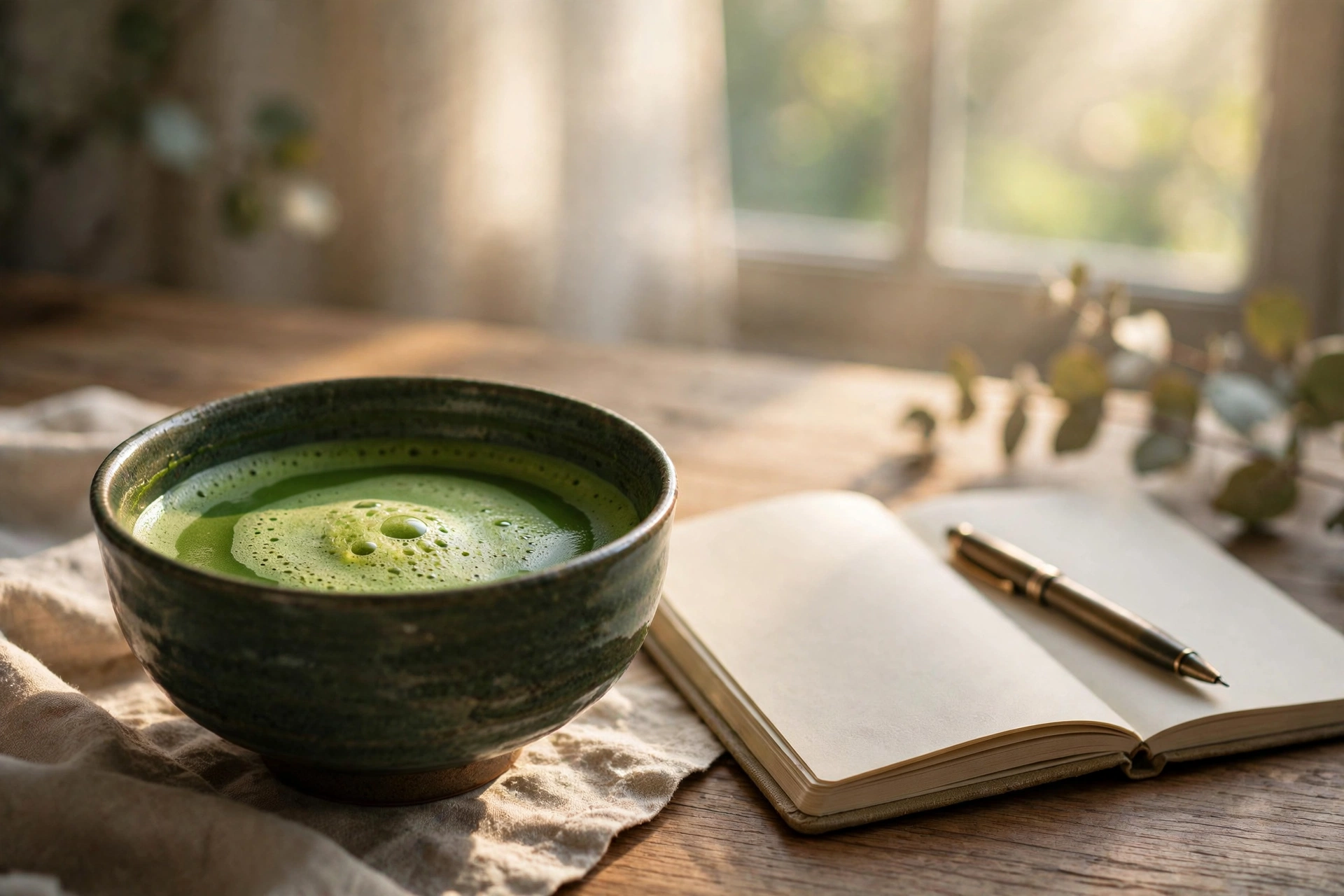
Where matcha wins — and why it wins the workday
Milder jitters. Part of it is simple dose: a standard matcha usually delivers less caffeine than a full cup of coffee. But many drinkers also find the L-theanine smooths the anxious edge — rarely the shaky hands or racing thoughts of cup three.
A gentler landing. No controlled study has proven a crash-free matcha curve — caffeine lasts hours regardless of source. But the common report is real: a slope, not a wall. Many former three-coffee people say switching their afternoon cup to matcha ended the evening slump.
Longer-feeling productive window. Many drinkers say one matcha at 1 p.m. carries a whole afternoon — where coffee's two-to-three-hour peak has them reaching for cup two.
Gentler on the body. Lower acidity means less stomach trouble and reflux for many — plus less teeth staining and less coffee breath. Fair warning: matcha on an empty stomach can still cause nausea. Have it with a little food.
The switcher's playbook
Don't go cold turkey. Replace just your afternoon coffee with a matcha latte — that's the cup behind the jitters-crash-sleeplessness cycle, and where matcha's smooth curve shines. Keep your morning coffee if you love it: coffee to launch, matcha to sustain.
Give it a week. The first matcha can feel underwhelming when you're calibrated to coffee's jolt. By day three or four, most people notice the afternoons feel steadier and calmer.
The verdict, for real this time
Coffee is the better stimulant; matcha is the better focus tool. To feel awake, coffee wins — faster, stronger, cheaper. To think clearly for hours without paying for it later, matcha wins, and it's not close.
Our position: for energy and focus as a daily practice, choose matcha. Keep coffee for jumpstart mornings and deadline sprints. Your afternoons will thank you.
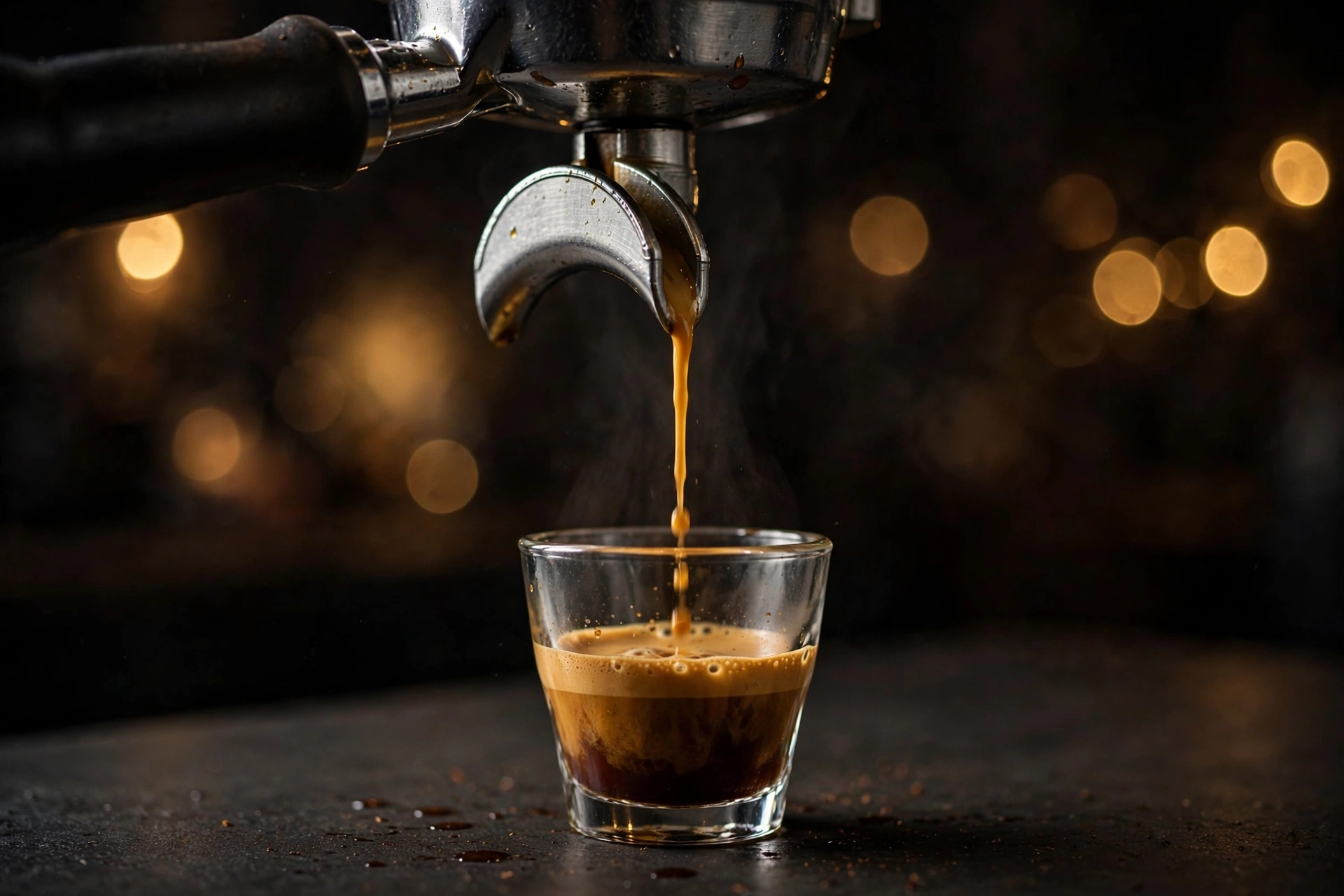
Matcha vs coffee questions, answered
Energy without jitters — really? For most people, yes — though honesty requires a footnote: the science hasn't fully pinned down why. The likeliest explanation is a combination of a typically smaller caffeine dose plus L-theanine. Whatever the mechanism, the calmer experience is the most commonly reported difference.
Can I fully replace morning coffee? You can, but expect a few days of adjustment. Matcha's onset is slower, so the first mornings feel like something's missing. By week one, most switchers prefer the steady hum to the jolt.
Which has more antioxidants? Both are solid, just different: matcha brings catechins (especially EGCG) since you consume the whole leaf; coffee brings chlorogenic acids and polyphenols. No meaningful winner — drink both if you like.
Want to run the experiment? Come taste both sides at Community Goods. We're at 8687 Melrose Ave in West Hollywood and 710 N Edinburgh Ave in Hollywood. Try the afternoon switch for a week.