
Cold Brew vs Iced Coffee: What's the Difference?
They look identical sitting on the counter. They're both cold, they're both brown, and half the people ordering them couldn't tell you which is which. But cold brew vs iced coffee is one of the biggest taste differences hiding in plain sight on any café menu — and once you know, you can't un-know.
Here's the quick answer: cold brew is coffee steeped slowly in cold water for 12 to 24 hours, which makes it smooth, naturally sweet, and low in acidity. Iced coffee is regular hot coffee that's been brewed fast and poured over ice — brighter, bolder, and a little sharper around the edges. Different process, different drink, different caffeine math. Here's the full breakdown.
Cold Brew vs Iced Coffee: How They're Made
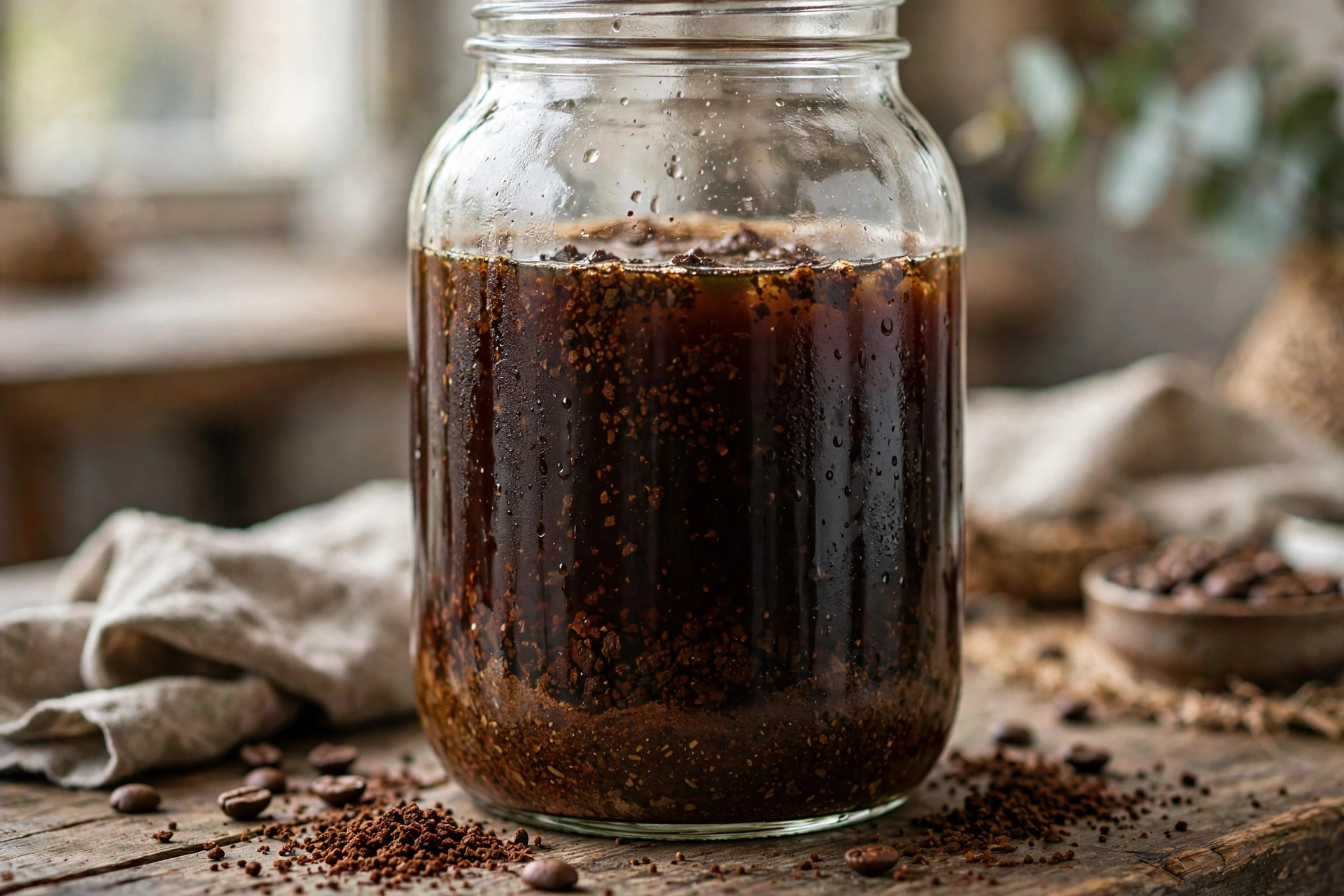
This is where everything diverges. Cold brew starts with coarse grounds and cold or room-temperature water, left alone for anywhere from 12 to 24 hours. No heat, no pressure — just time doing all the extraction work. Most cafés brew it as a concentrate and cut it with water or milk before serving.
Iced coffee is the opposite approach. It's brewed hot — drip, pour-over, sometimes even espresso for an iced Americano — then cooled and poured over ice. The whole thing takes about four minutes. Because that ice melts fast and dilutes the drink, good shops brew it slightly stronger than they'd brew hot coffee, or use coffee ice cubes to hold the line.
One thing the cold brew camp won't tell you: that 12-hour wait means shops batch it overnight, so you're often drinking yesterday's brew. That sounds like a knock, but cold brew actually keeps beautifully in the fridge for up to a week, which is part of its charm at home.
Taste: Smooth vs Bright
If cold brew is a velvet curtain, iced coffee is a spotlight. Because heat never touches the grounds, cold brew skips a lot of the bitter and acidic compounds that hot water pulls out. What you get is round, mellow, and chocolatey — sometimes with nutty or caramel notes — and it can taste almost sweet with zero sugar added. People who find regular coffee harsh tend to love it.
Iced coffee keeps the personality of hot coffee, just served cold. It's livelier, more acidic, and more bitter as the ice melts, with the fruity or floral notes of the bean still coming through. If you actually like the taste of coffee — the classic, roast-forward, slightly edgy stuff — iced coffee is more your drink. It's also more customizable: it takes milk, syrups, and flavors more readily than cold brew, which tends to bulldoze subtle additions with its heavier body.
Caffeine: Which One Hits Harder?
Cold brew usually wins this one, though it's closer than people think. Because it's steeped so long at a high coffee-to-water ratio, cold brew lands around 150–200 mg of caffeine per serving — noticeably more than iced coffee's roughly 95–120 mg for the same size. It's a slow-release kind of energy, too, without the sharp spike.
Iced coffee is lighter but faster. The caffeine hits sooner, which is why it feels like a quicker wake-up. If you're sensitive to caffeine or drinking in the late afternoon, iced coffee is the safer pick.
Cost and Effort
Cold brew costs more at most shops — often fifty cents to a dollar more — and honestly, it should. It ties up equipment overnight, uses more beans per cup, and takes real planning. Iced coffee can be made to order in minutes from the same batch brewer a café already has running.
At home, the trade flips. Cold brew is almost embarrassingly easy: grounds, water, a jar, and patience. Iced coffee is faster but trickier to get right without it tasting watery, since you're fighting ice dilution.
| Cold Brew | Iced Coffee | |
|---|---|---|
| Brew method | Coarse grounds steeped in cold water, 12–24 hrs | Hot-brewed coffee (drip/pour-over), poured over ice |
| Taste | Smooth, mellow, naturally sweet, chocolatey | Bright, bold, more acidic and bitter |
| Acidity | Low — easier on sensitive stomachs | Higher, like regular hot coffee |
| Caffeine (16 oz) | ~150–200 mg | ~95–120 mg |
| Price at cafés | Slightly higher | Slightly lower |
| Keeps in fridge | Up to a week | Drink it fresh |

Our Verdict: Which Should You Order?
We'll take a side: cold brew wins, most days. It's the better-engineered drink — smoother, more forgiving, more caffeine for the money, and it tastes great black, which is the real test. Iced coffee's one genuine advantage is speed and that bright, classic coffee snap. If you love fruity, punchy espresso, an iced Americano will always beat a cold brew for you.
But for the average afternoon in LA, when you want something cold that actually tastes good all the way to the last sip? Cold brew. It's not close.
Quick Questions
Is cold brew stronger than iced coffee? Yes, usually. Cold brew's long steep and higher coffee-to-water ratio give it more caffeine per serving — roughly 150–200 mg versus 95–120 mg in iced coffee of the same size.
Why is cold brew less acidic? Heat is what extracts most of coffee's acidic and bitter compounds. Since cold brew never gets hot, those compounds stay in the grounds, leaving a smoother, mellower cup.
Can I make cold brew at home? Absolutely — it's one of the easiest brews to make. Coarse grounds, cold water, a jar in the fridge for 12–18 hours, then strain. It keeps for up to a week.
Come taste the difference in person. We serve both at Community Goods — swing by our Melrose Ave shop in West Hollywood or our Edinburgh Ave spot in Hollywood and we'll pour you one of each, no judgment on which side you pick.