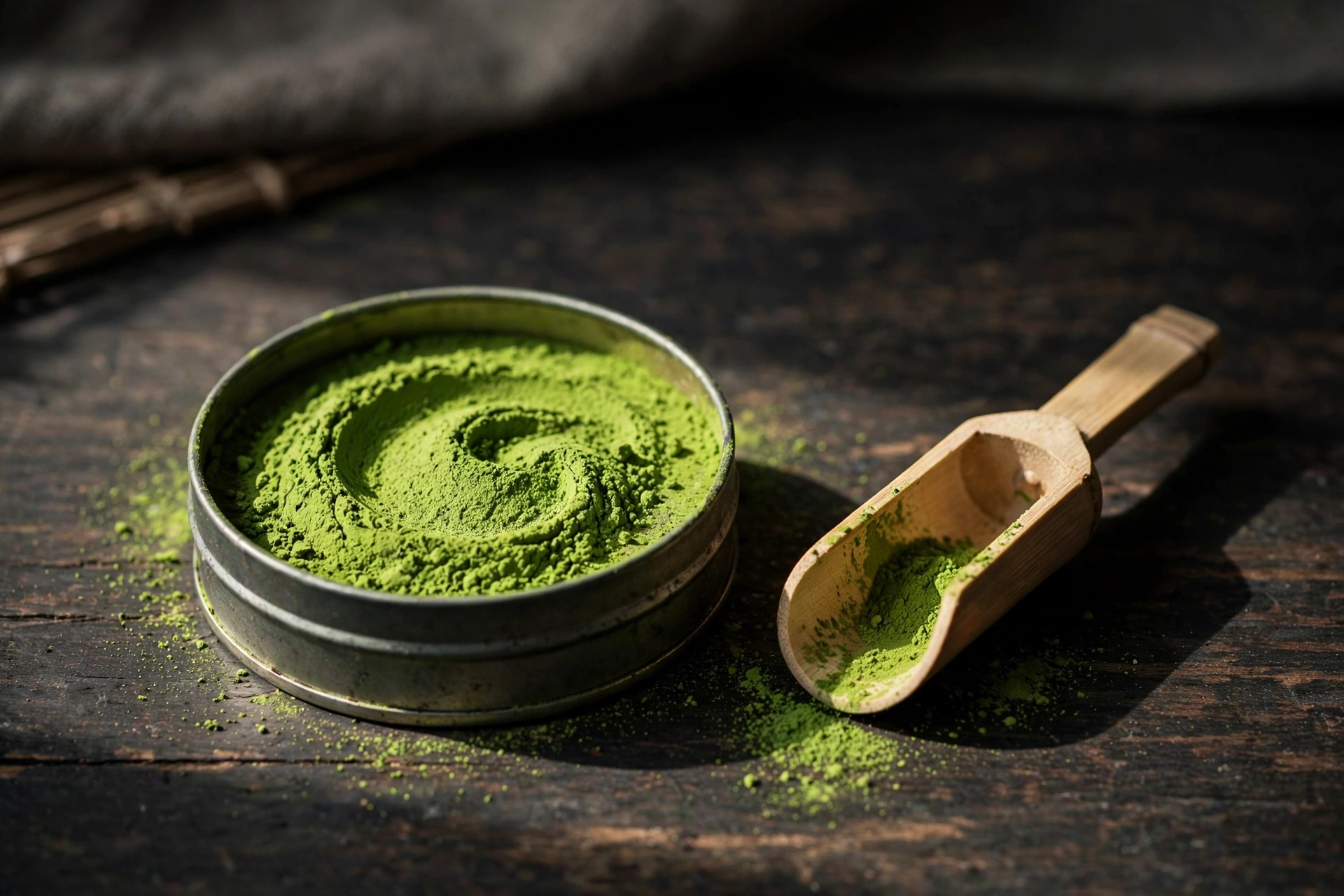
What Is Ceremonial Grade Matcha?
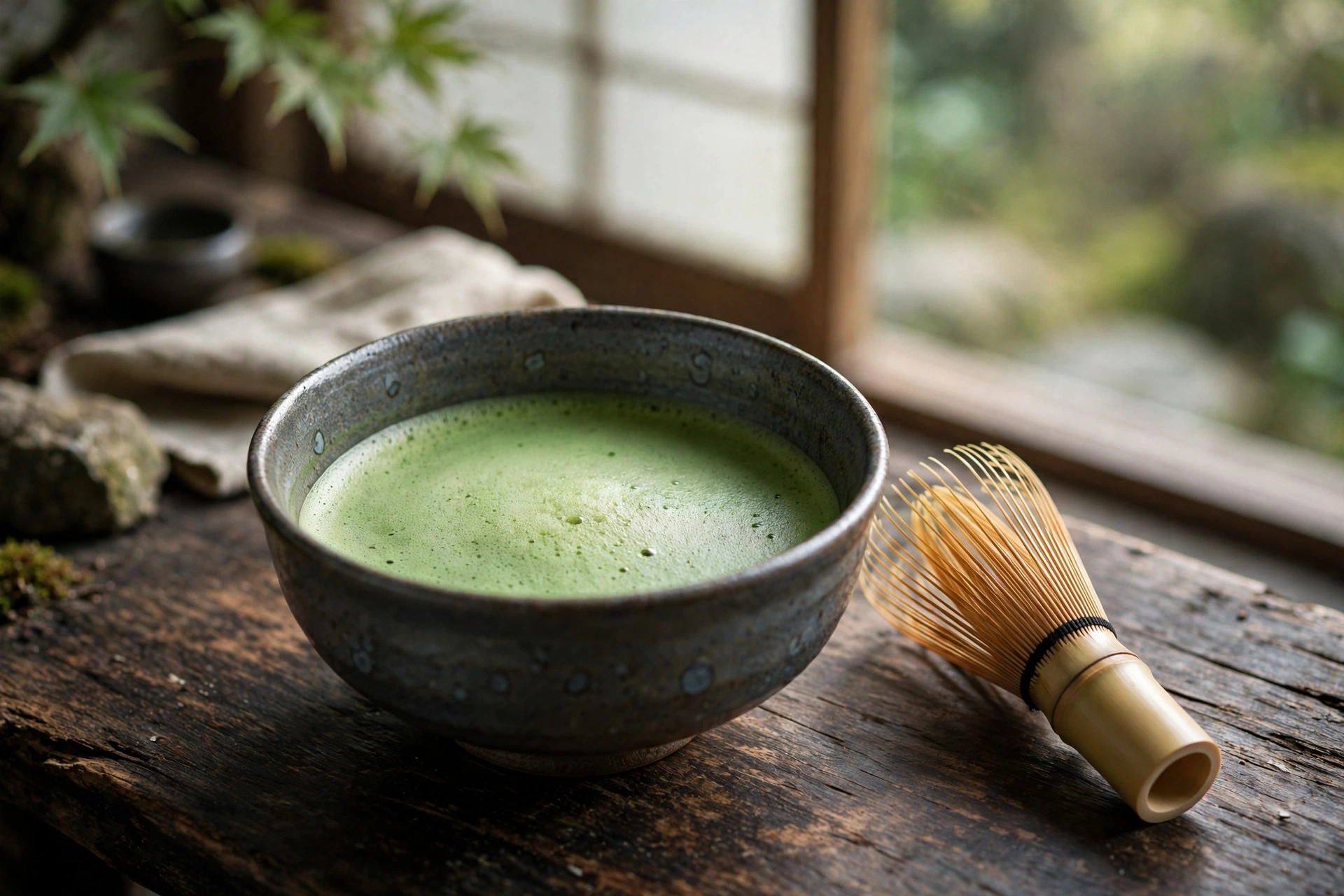
Ceremonial grade matcha is the highest-quality Japanese powdered green tea, made from young first-harvest leaves that are shade-grown for weeks, then stone-ground into a vivid green powder. It's naturally sweet and umami-rich with almost no bitterness, and it's meant to be whisked with water and drunk straight — no milk, no sugar, nothing to hide behind.
Walk into any café that takes matcha seriously — ours included — and you'll see the phrase on the menu or the tin. It sounds ancient and official. The reality is more interesting, and worth understanding before you spend thirty dollars on a small tin.
How ceremonial grade matcha is actually made
The difference between great matcha and mediocre matcha is decided in the field, months before anyone whisks anything. Here's the process that earns the "ceremonial" label:
Shading. Three to four weeks before harvest, the plants are covered with shade cloths (kabuse). Starved of sunlight, the leaves produce extra chlorophyll and L-theanine — the amino acid behind matcha's sweetness and calm energy — and fewer bitter catechins. That's where the vivid color and natural sweetness come from.
First harvest. The youngest leaves of the year's first flush — ichibancha, picked late April to early May — are hand-picked. First-flush leaves are the most delicate and nutrient-dense; later harvests get tougher and more bitter.
Steaming and drying. The leaves are briefly steamed to halt oxidation (this is what keeps them green instead of turning brown like black tea), then air-dried without rolling. At this stage the leaf is called tencha.
De-stemming and de-veining. Stems and veins are removed, because they add bitterness and grittiness. What's left is pure, soft leaf.
Stone grinding. Tencha is ground between granite stones at a glacial pace — 30 to 40 grams per hour. Slow matters: fast grinding generates heat, which destroys delicate aromatics. One mill produces about a tin's worth per day — a large part of why the good stuff costs what it costs.
The uncomfortable truth about the label
Here's what most brands won't tell you: "ceremonial grade" is not a regulated term — not in Japan, not anywhere. No certifying body, no official standard, no inspector checking tins. It's essentially a marketing term created for international markets, the way "sushi-grade" was invented for fish.
That doesn't mean good ceremonial matcha doesn't exist. It means the label alone proves nothing, and your senses are a better judge than the packaging. Here's what to actually look for:
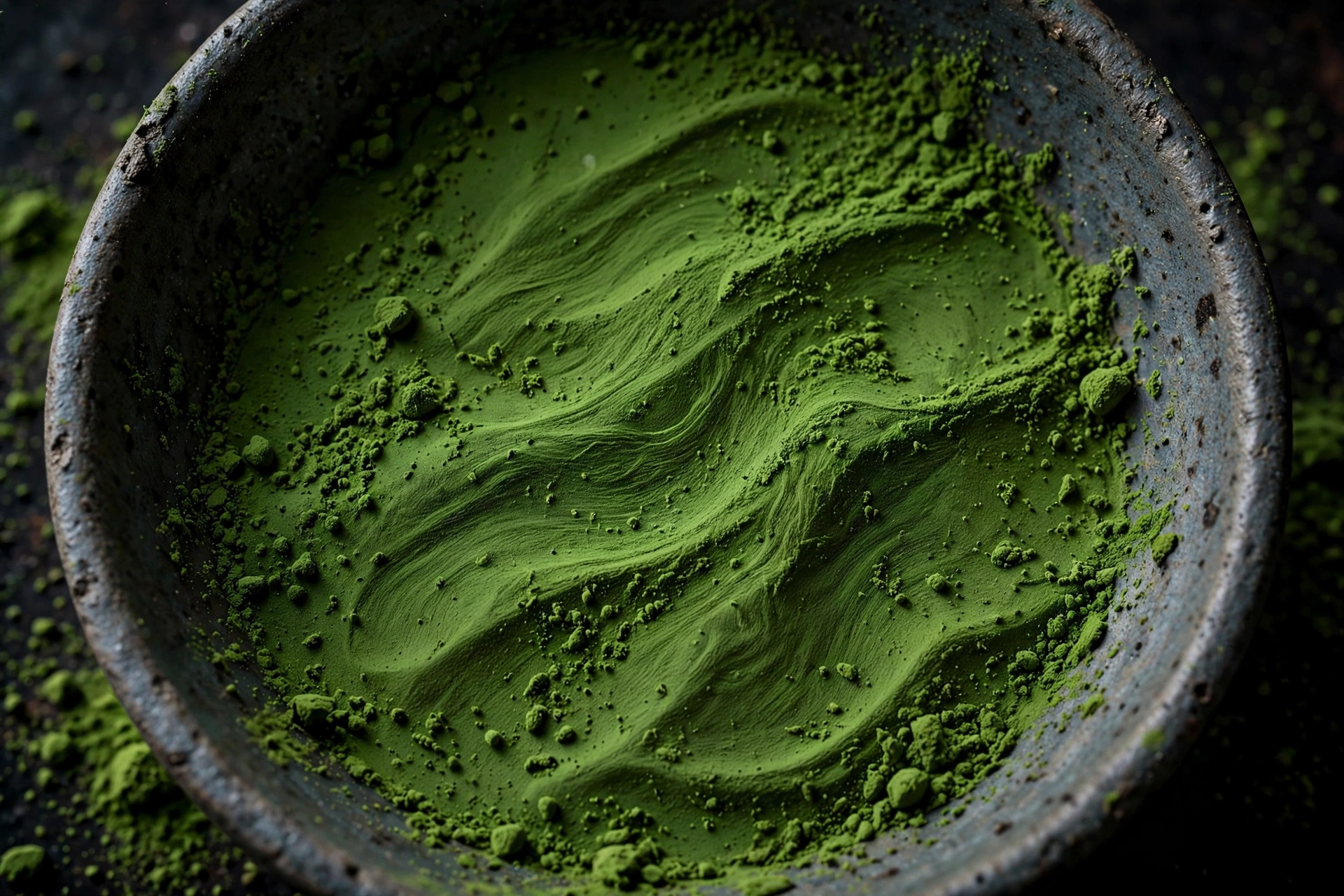
- Color. Vivid, bright, almost neon green. Dull, olive, or yellowish powder is old or low-grade, full stop. Chlorophyll is the tell.
- Aroma. Fresh, grassy, sweet, maybe a little like steamed greens or sea air. Stale, fishy, or flat-smelling matcha is past its prime.
- Texture. Rub a pinch between your fingers. It should feel like cosmetic powder — silky, ultra-fine, no grit. Coarse powder means coarse grinding, which means bitter, clumpy tea.
- Taste. Whisked with water, it should be smooth, naturally sweet, and savory (umami), with little to no bitterness. If it makes you wince, it's not ceremonial grade, whatever the tin says.
Ceremonial vs culinary: when the grade actually matters
Matcha is generally sold in tiers, and the practical difference comes down to leaf age and intended use:
- Ceremonial grade — first-harvest, youngest leaves. Brightest color, sweetest and smoothest flavor, most expensive. Made to be whisked with water and drunk straight.
- Premium / latte grade — still good quality, often first or second harvest, slightly less sweet and a touch more robust. The sweet spot for lattes: flavorful enough to stand up to milk, not so precious you're wasting it.
- Culinary grade — later harvests, older leaves. Duller color, more bitter and astringent, much cheaper. Perfect for baking, smoothies, and anything where the matcha has to fight through butter, sugar, or milk.
The rule of thumb: the more the matcha has to compete with other ingredients, the less the grade matters. Drinking it straight as usucha or a matcha americano? Grade is everything — there's nothing to mask flaws. Making a sweetened iced latte with oat milk and vanilla? A good premium grade will taste just as good as ceremonial, for half the price. Baking matcha cookies? Culinary grade, always. Using ceremonial matcha in cookie dough is like making sangria with vintage wine — technically possible, spiritually wrong.
How to store it (so you don't waste your money)
Ceremonial matcha is fragile — light, heat, air, and moisture are all enemies. Keep it in an airtight, opaque container in a cool, dark place. The fridge works if the container is truly airtight (matcha absorbs odors enthusiastically; nobody wants garlic matcha). Once opened, use it within four to eight weeks. When the color dulls from neon to olive, it's done.
Quick answers
Is ceremonial grade matcha worth the price? If you drink matcha straight, yes, completely — the difference is the difference between a drink you crave and one you choke down. If you only drink sweetened lattes, buy a good latte grade and save your money.
How much caffeine is in ceremonial matcha? About 60–70mg per serving (roughly 2g of powder), similar to a shot of espresso. But the L-theanine changes how it feels — calm, steady focus rather than a spike.
Can I use ceremonial matcha in lattes? You can, and it'll taste great. But it's overkill — a quality premium grade gives you 95% of the experience in a milky drink for much less. Save the ceremonial tin for the bowl.
Everything matcha we serve — from our lattes to our Matcha Einspänner to the straight-up matcha americano — starts with ceremonial grade powder, because we think you can taste the difference. Come taste it for yourself at our Melrose Ave shop in West Hollywood or our Edinburgh Ave location in Hollywood.